Blogs
- Home
- Blogs


In industrial piping systems, gate valves and globe valves are two of the most widely used valve types, yet they serve very different purposes. Although both are essential for controlling flow, their internal design, flow characteristics, and operational behaviour make them suitable for different industrial applications...
Read More »
When selecting valves for industrial pipelines, two of the most common choices are ball valves and gate valves. Both are used for isolation, but the way they operate, the speed of shutoff, and their suitability for different media make them fundamentally different. Understanding these differences is essential for engineers, ...
Read More »
Gas valves are a critical part of any industrial, commercial, or building system that handles natural gas, LPG, biogas, or other combustible gases. Although they may look similar to regular valves, gas valves are engineered with higher safety, sealing, and leak-prevention requirements...
Read More »
Unlike water or non-hazardous fluids, gas is invisible, fast-moving, and high-risk. A small leak can lead to: Fire hazards, Explosion risks, Pressure imbalance...
Read More »
Most gas valves operate through a quarter-turn mechanism, allowing operators to shut off flow instantly in case of an emergency. Gas valves are built with: High-precision ball or plug mechanisms, PTFE or metal seats with leak-proof design, Fire-safe or anti-blowout stems...
Read More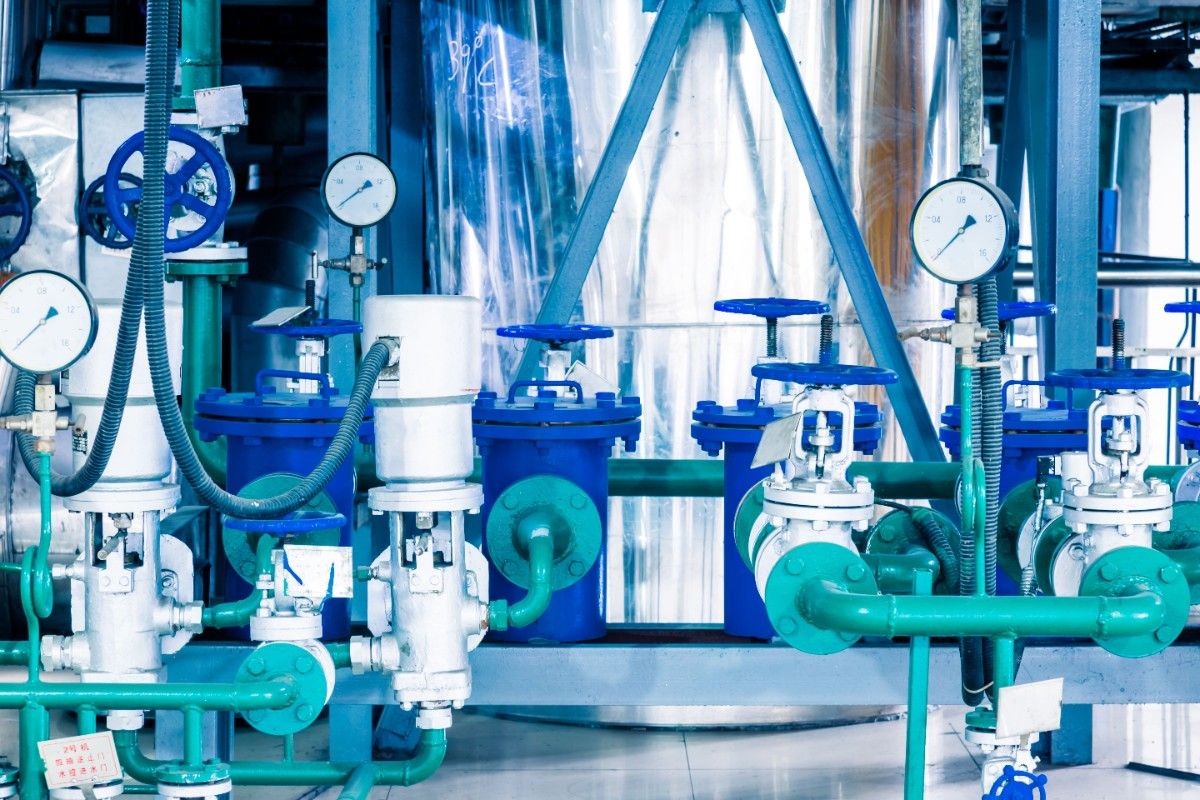
1. Gas Ball Valves (Most Popular) These are the most widely used gas valves because they provide quick isolation using a 90° turn. Ideal for: Natural gas pipelines, Marine engine rooms, Industrial furnaces...
Read More »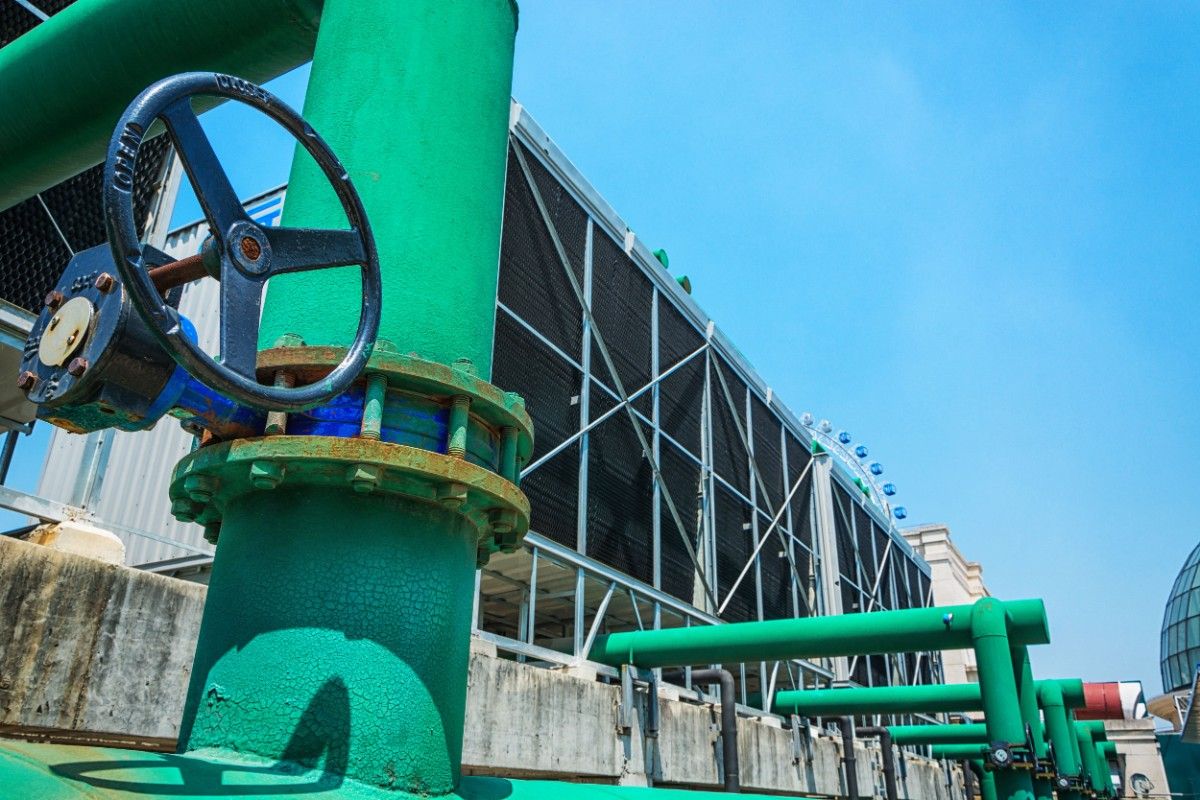
In Singapore, gas valves are widely used across industrial and commercial sectors such as: Marine & offshore, Waste-to-energy plants, Industrial manufacturing, Oil storage terminals...
Read More »
When selecting the correct gas valve, consider: Type of gas (LNG, LPG, biogas, natural gas) Maximum operating pressure, Temperature range...
Read More »